The flashing lights and mechanical ticks of a spinning prize wheel have captured human attention for generations across carnivals, television studios, and modern digital platforms. What appears to be a basic movement of a wheel is actually a carefully engineered entertainment format designed to maximize sensory engagement. By understanding how these simple physics principles transform into genuine excitement, we can better appreciate the psychological craftsmanship behind modern gaming experiences.
The Psychology of Controlled Anticipation
The core magic of any prize wheel lies in the intentional elongation of time between the initial spin and the final result. When a player initiates a turn, their brain shifts into a state of heightened focus, tracking the slowing markers with intense visual attention. This brief window of uncertainty creates a healthy spike of adrenaline that makes the entire process deeply satisfying regardless of the specific outcome.
Furthermore, game developers frequently design wheels with colorful segments and distinct sound cues to reinforce this sense of journey. Each click of the indicator pins builds temporary suspense, making players lean forward in active participation. This subtle combination of physics and psychological pacing ensures that a process lasting only a few seconds feels like a complete narrative arc.
Sensory Alchemy and Immersive Themes
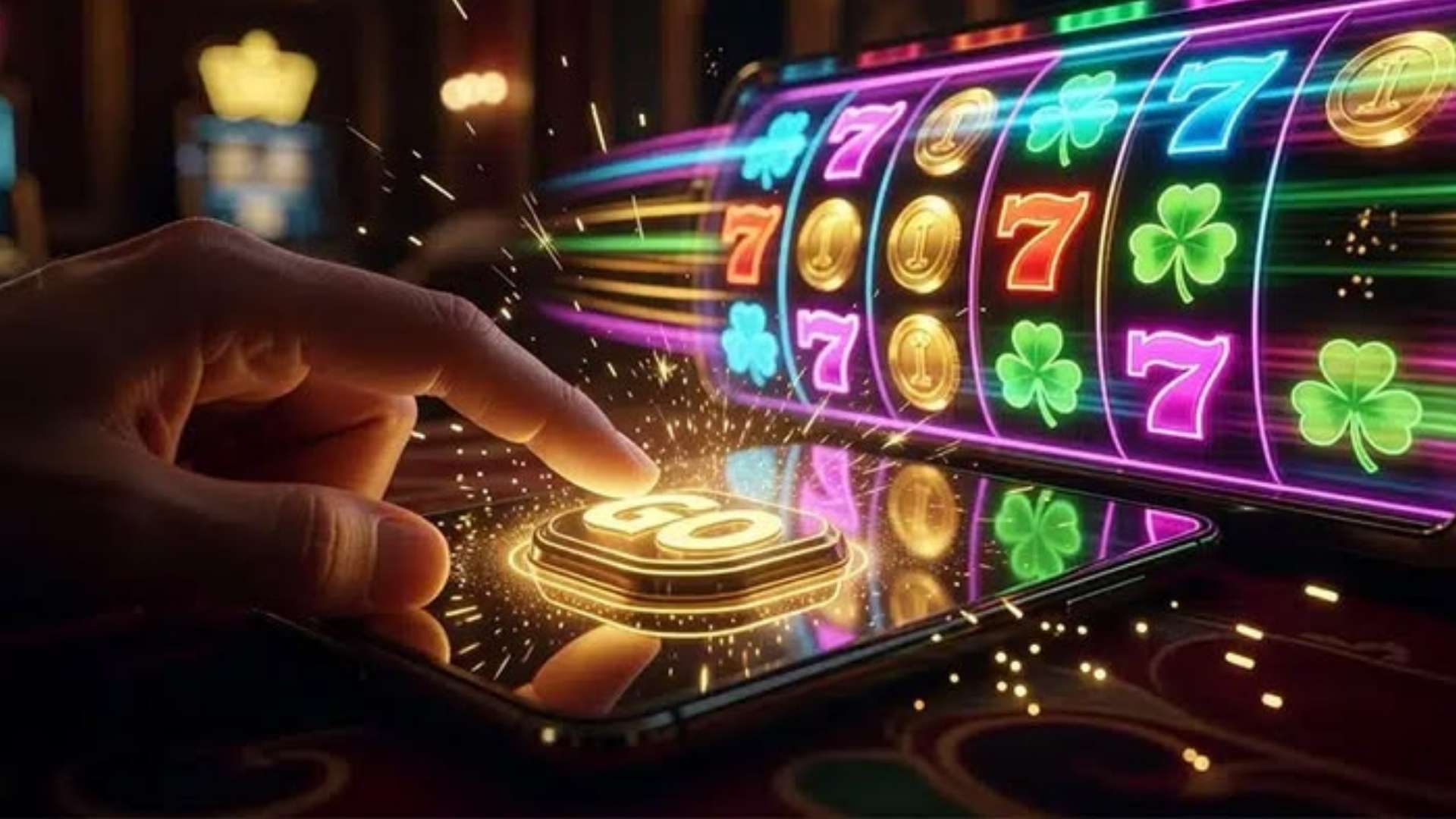
In the digital era, online gaming platforms have elevated the visual presentation of spin mechanics to a sophisticated art form. Modern design combines high-definition graphic interfaces with dynamic background audio to construct a completely immersive environment for the participant. Reliable global networks like m88 mansion utilize these multi-sensory themes to keep users engaged and entertained during their gaming sessions.
These environmental elements are not merely decorative; they serve as structural foundations for audience enjoyment and brand memory. When a thematic setting matches the physical motion of the wheel, it establishes a subconscious level of trust and comfort. As a result, users receive a cohesive entertainment experience that transitions smoothly from one round to the next.
Balancing Random Outcomes with Fair Mechanics
A crucial factor behind the long-term popularity of prize wheels is the implicit contract of fairness between the machine and the player. Modern electronic wheels rely on sophisticated mathematical models known as Random Number Generators to calculate exact stopping positions. This technology guarantees that every single turn remains independent of past results, providing a fresh and authentic opportunity every time.
Understanding this underlying infrastructure helps casual players maintain realistic expectations while enjoying the inherent suspense. Since external manipulation or predictive patterns cannot alter the programmed percentages, the gameplay becomes a pure celebration of chance. This absolute transparency eliminates frustration and allows participants to focus entirely on the fun of the spin.
The Multi-Tiered Approach to Value Distribution
While top jackpots naturally grab initial headlines, the sustainable enjoyment of a prize wheel often depends on its secondary rewards. A well-designed system distributes a diverse array of mid-tier bonuses, loyalty points, or extra gameplay opportunities across the remaining segments. This strategic variety ensures that most outcomes still provide some form of practical utility or encouragement.
When participants feel that the most common results offer genuine value, their relationship with the game remains positive and balanced. Shifting attention away from an exclusive win-or-lose mindset creates a more relaxed atmosphere for recreational gaming. Ultimately, the creative arrangement of reward tiers transforms a simple tool of chance into a multi-layered interactive experience.