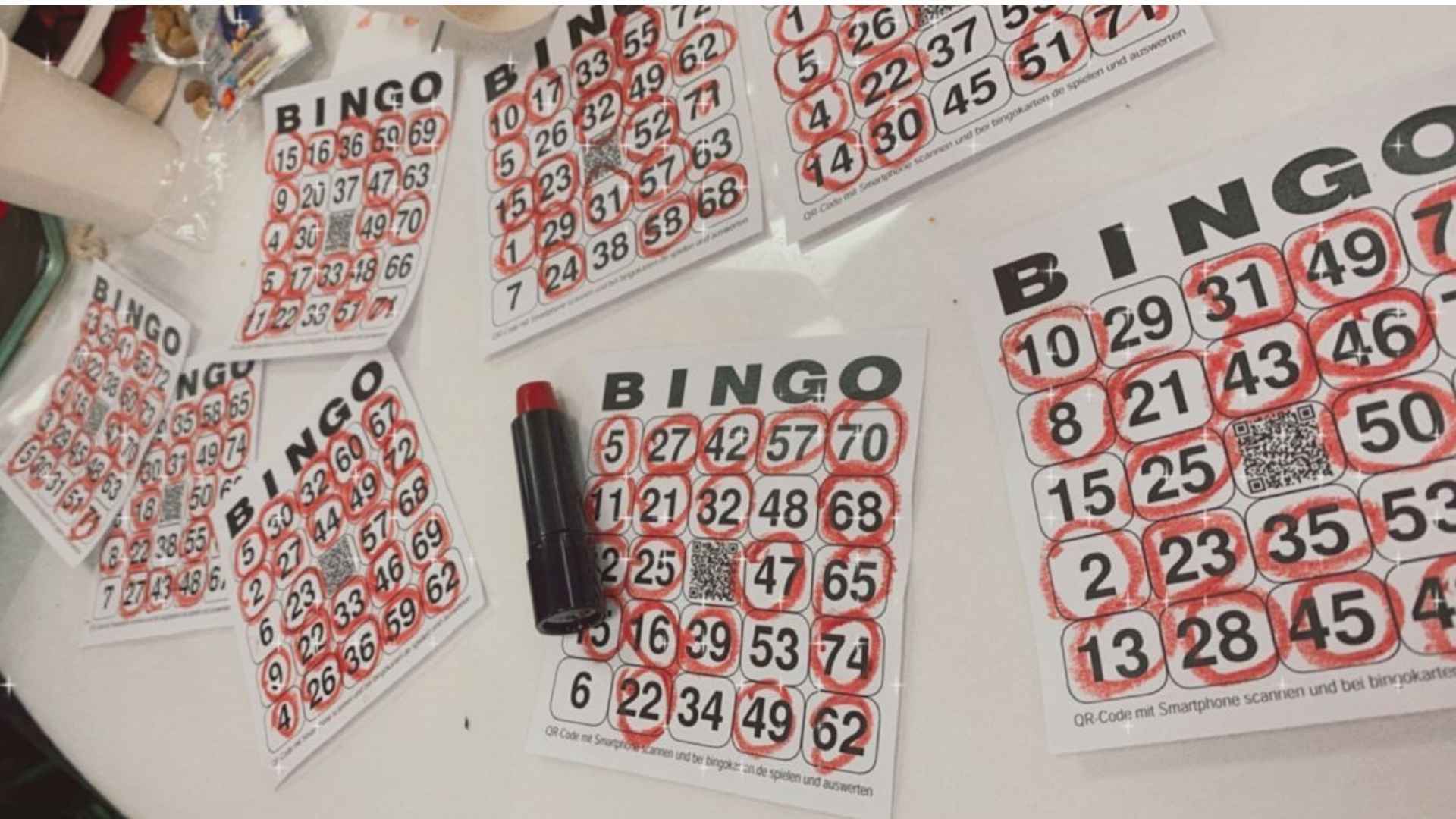
Many modern gaming experiences blend elements of unpredictable chance with opportunities for tactical decision-making. While pure luck can determine immediate outcomes, long-term success often depends on how effectively players calculate their risks. Engaging with these structural mechanics allows enthusiasts to shift from emotional reactions to analytical strategies that maximize their advantages.
The Core Balance of Risk and Strategy
Probability games operate on strict mathematical principles where random events dictate individual rounds. However, players who understand expected value can consistently position themselves for better returns over time. By evaluating the relationship between potential downsides and rewards, analytical minds turn simple entertainment into exercises of intellectual agility.
Recognizing the difference between independent trials and cumulative statistics is essential for anyone trying to improve their outcomes. For instance, understanding that a past result has no statistical influence on the next action prevents common cognitive fallacies. Navigating digital spaces like an immersive M88 casino platform provides an excellent way to observe how these algorithms operate under mathematical rules.
Developing Long-Term Decision Frameworks
Successful participants do not rely on simple intuition or short-term luck to guide their choices. Instead, they formulate structured approaches that rely on probability theory and data distribution tracking. This disciplined methodology helps individuals remain steady even during periods of high variance.
As digital environments continue to incorporate complex statistical engines, players must adapt by refining their mathematical logic. Learning when to increase participation or step back based on shifting metrics represents the pinnacle of smart gaming choices. Over time, these habits build an objective mindset that translates well into real-world professional risk assessment scenarios.
The Cognitive Benefits of Tactical Play
Engaging regularly with probability puzzles can significantly sharpen a person's general logical thinking capabilities. By forcing the brain to process fluid information and calculate odds dynamically, these challenges keep cognitive faculties active. This active engagement turns abstract mathematical formulas into tangible, practical lessons.
Furthermore, managing unpredictable situations in controlled environments fosters emotional resilience and balanced decision-making architectures. When players focus on the quality of their choices rather than the immediate result, they develop superior operational habits. Ultimately, the games that reward analytical preparation offer the most fulfilling and intellectually stimulating experiences available today.